
Why Texture Matters More Than Ever

Picture two living rooms, both painted the same warm sage green, with similar furniture layouts. One feels like a hotel lobby—fine, but forgettable. The other feels like somewhere you'd actually want to curl up with a book on a Sunday afternoon. What's the difference? Texture.

We talk a lot about color and layout, but texture is the secret ingredient that makes a room feel lived-in rather than staged. It's the difference between a space that looks good in a photo and one that feels good when you're actually sitting in it. And right now, in 2026, texture is having a moment, not because it's trendy, but because people are craving homes that feel warm and real after years of minimalist, screen-smooth surfaces.
Here in Wisconsin, we've never been big on sterile design. We know the value of a chunky knit throw on a winter evening and the way a worn leather chair feels more inviting than a stiff new one. Texture isn't an extra - it's what makes a house feel like home.

Upholstery and Fabric Choices That Add Depth
The fabrics you choose for your furniture do more than just determine color: they set the entire mood of the room. A linen sofa feels casual and lived-in, perfect for a family room where kids actually play and dogs actually sleep on the furniture. Velvet, on the other hand, brings a sense of richness and formality that works beautifully in a living room or bedroom where you want things to feel a bit more special.

The mistake people make is treating upholstery as a purely visual decision. They pick a color they like and move on. But texture is just as important as hue. A flat, smooth fabric can make even a well-designed sofa feel generic. Add some texture, like a nubby weave, a subtle pattern in the fabric itself, or a piece with visible stitching or tufting, and suddenly the piece feels intentional.
Right now, we're seeing a lot of interest in performance fabrics that actually have texture. Gone are the days when durability meant choosing something that
looked and felt like plastic. Tough but soft fabrics like linen and textured weaves can stand up to real life spills, pets and kids, while still feeling soft and looking sophisticated. For Wisconsin families, that's a game-changer. You can have the cozy, textured look you want without constantly worrying about ruining your furniture.
And don't overlook leather. A good leather sofa or chair develops a patina over time that only adds to its character. It's warm in winter (especially with a throw), cool in summer, and it ages in a way that feels earned rather than worn out. If you're investing in a piece that you want to keep for decades, leather is hard to beat.
Layering Rugs, Throws, and Materials
If upholstery is the foundation, layering is where texture really comes alive. This is where you get to experiment, swap things out seasonally, and adjust the feel of a room without committing to anything permanent.

Start with rugs. A jute or sisal rug under a coffee table adds an organic, grounded feel that pairs beautifully with wood furniture. Layer a sheepskin or a smaller wool rug on top, and you've got instant coziness. The key is mixing textures that complement each other, like rough with soft, or natural with refined. A plush wool rug on hardwood floors, a nubby linen throw on a smooth leather chair, or a chunky knit blanket draped over a velvet sofa create visual interest and make a space feel thoughtfully put together.
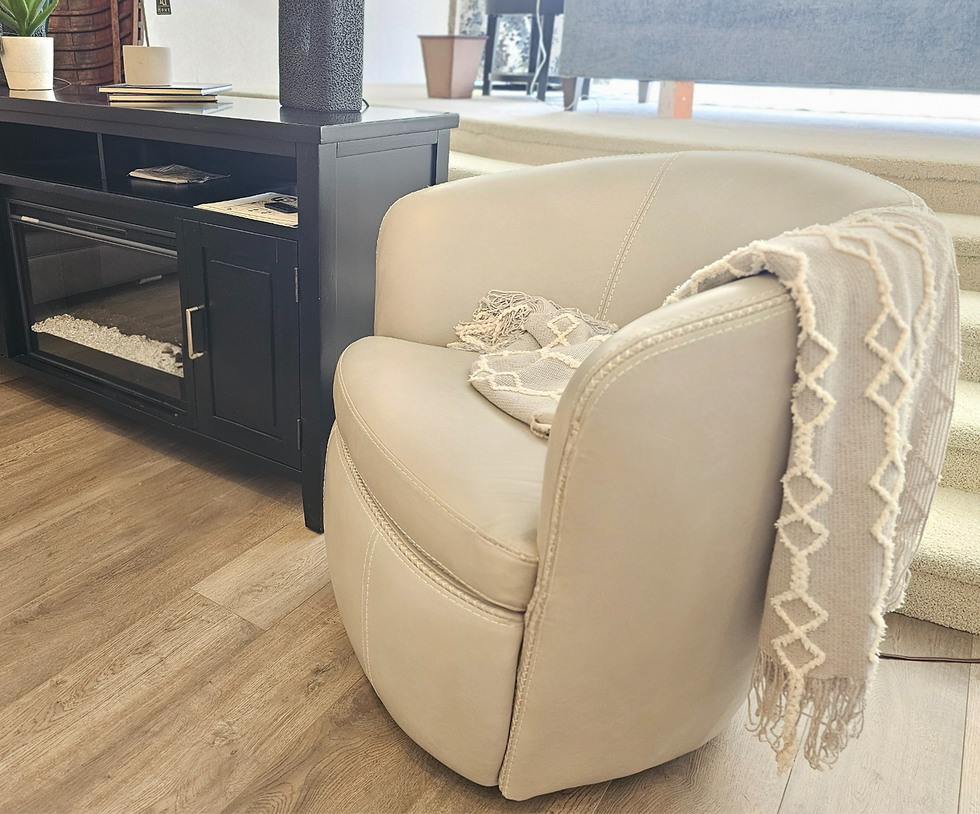
Throws are one of the easiest ways to add texture without much commitment. A heavy wool throw is perfect for those long Wisconsin winters when you just want to bundle up on the couch. Come spring, swap it out for a lighter linen or cotton version. The room feels different, but you haven't changed the furniture or repainted anything. That kind of flexibility is invaluable, especially if you're someone who likes to refresh your space with the seasons.

Pillows are another layering opportunity, but be careful not to overdo it. You don't need twelve throw pillows to add texture. Two or three in varying fabrics, maybe a velvet, a linen, and a woven cotton, will do more than a dozen matching ones. The goal is to invite touch, not to create a pillow fortress that you have to dismantle every time you want to sit down.
And don't forget about the materials already in your space. If you have wood floors, let them show. If you have exposed brick or stone, lean into it. These architectural textures are part of what makes your home unique, and layering fabrics and rugs around them creates a dialogue between the bones of the house and the way you've furnished it.
Creating Warmth Without Clutter
Here's the thing about texture: it makes a space feel warmer and more inviting, but only if you're strategic about it. Too much texture in too many directions, and you end up with clutter. The room feels busy instead of cozy, and that defeats the entire purpose.
The trick is to choose a few key textured elements and let them shine. Maybe it's a chunky knit throw on the back of your sofa, a jute rug underfoot, and a pair of linen curtains. That's enough. You've added depth and warmth without overwhelming the space. Each piece has room to breathe, and the room still feels calm and uncluttered.
This is especially important in smaller spaces. If you're working with a compact living room or a cozy bedroom, you can't layer on texture the way you might in a large, open space. Instead, focus on quality over quantity. One really beautiful, tactile piece (a wool throw, a velvet chair, or a textured area rug) will have more impact than a dozen smaller additions.

Color also plays a role here. When you're layering textures, sticking to a cohesive color palette helps keep things from feeling chaotic. If you're working with those earthy tones we talked about in a previous blog (terracotta, sage, warm ochre) adding texture through different fabrics and materials will enhance the palette rather than compete with it. A sage linen sofa, a terracotta wool throw, and a jute rug are all different textures, but they work together because the colors are in harmony.
And remember: texture doesn't have to mean rustic or bohemian. You can add texture in sleek, modern ways too. A leather bench, a linen-upholstered headboard, or a smooth stone coffee table have texture, but they read as clean and contemporary. The key is intention. Every textured element should have a reason for being there, not just be there because you thought you needed to add something.
The Tactile Experience: Why Touch Matters
One thing we forget when we're designing spaces or shopping for furniture online is that we don't just see our homes - we touch them. Every single day. You run your hand along the back of the sofa as you walk by. You sink into the cushions at the end of a long day. You pull a throw blanket over your lap during a movie. These tactile experiences matter more than we realize, and they're entirely about texture.

This is one reason why it's so valuable to see and touch fabrics in person before
making a big furniture purchase. A fabric that looks perfect online might feel scratchy or slick or just not quite right when you actually sit on it. At Werner Harmsen, we encourage people to come in and interact with our furniture. Sit on the sofas. Feel the fabrics. Pull out the drawers. You're going to be living with these pieces for years (hopefully decades!) so they need to feel right, not just look right.
And if you're working with a designer, talk about texture. Don't just show them inspiration photos: describe how you want the space to feel. Do you want it to feel cozy and enveloping, or light and airy? Do you want surfaces that feel soft and plush, or smooth and cool? These details guide decisions about everything from upholstery fabrics to throw pillows to the finish on your wood floors.
Seasonal Texture Swaps
One of the best things about focusing on texture is how easy it is to shift the mood of a room with the seasons. Here in Wisconsin, where we go from heavy snow in January to humid summer evenings in July, seasonal swaps are necessary.

In winter, pile on the cozy textures. Wool throws, sheepskin rugs, velvet pillows, thick knit blankets - the pieces that make a room feel like a refuge when it's ten degrees outside. You want layers, warmth, and materials that invite you to hunker down.
Come spring and summer, swap those heavy textures for lighter ones. Linen throws, cotton pillows, and lighter-weight rugs will help the room feel airier and more open without changing the furniture or repainting. It's a simple shift, but it makes a real difference in how the space feels to live in.
Texture is what turns a well-decorated room into a space you actually want to spend time in. It's the detail of the softness of a linen cushion, the warmth of a wool rug underfoot, or the way a leather chair feels broken-in and welcoming that make all the difference.
Ready to add more texture to your home?
Visit Werner Harmsen to explore fabrics, furniture, and textiles that add warmth and depth to any space. Our design team can help you choose materials that not only look beautiful but feel right for the way you live. Schedule a consultation today and let's create a home that's as comfortable as it is stylish.


Comments